Context
An aerospace manufacturer wanted its quality and engineering staff to ask questions of the inspection and quality record instead of hunting through it. The data was already there and AI work had already started, but a general assistant over a document pile was not going to answer the questions these engineers ask. Those questions land on specific fields: what a part inspection found, what a dimensional check measured, whether a fit clearance held.
Constraints
A delivery date the programme was already working toward, so this had to inform decisions on the schedule the team was on. The managed document service in use imposed processing thresholds and rate limits that could not be scaled horizontally, which capped how much of the corpus could be reprocessed and how often. The documents were the hard part: technical manufacturing material where structure carries meaning, and where a naive extraction silently discards the table or the callout that held the answer.
RegainFlow's role
RegainFlow led the document-processing comparison and the evaluation harness, introduced dedicated GPU-backed extraction, and advised on the data-quality pipeline and the retrieval architecture. We worked alongside the client's delivery team rather than in place of it.
What RegainFlow engineered
- A move off rate-limited managed extraction onto dedicated GPU compute, so reprocessing the corpus was a scheduling decision rather than a quota negotiation.
- Docling-based extraction that preserves document structure, normalizing a mixed estate of file types into one representation downstream systems could rely on.
- Chunking that keeps text, tables, and images together with the field they describe, so a dimensional measurement is retrieved with the part it belongs to.
- Field-level extraction targeted at what engineers actually ask about — part findings, dimensional inspection results, and fit clearances.
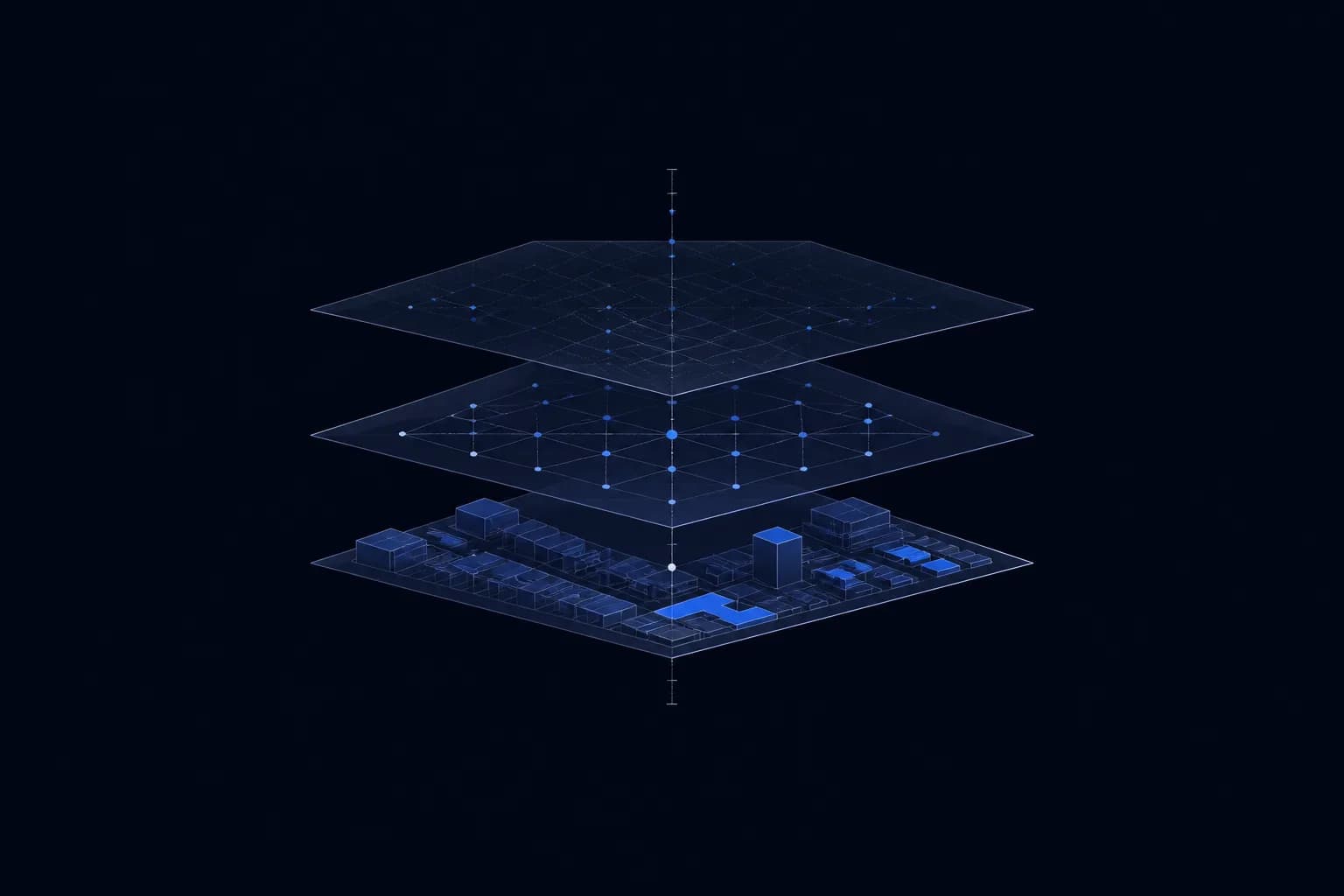
- A bronze, silver, and gold data pipeline, so raw capture, normalization, and reviewed truth stayed separable and each stage could be inspected on its own.
- Iterated gold data built with the people who know the documents, which is what makes an accuracy figure mean anything.
- An evaluation harness that scored extraction and retrieval against that gold data, turning "does this work" into a number the programme could act on.
Selected artifacts
Reconstructed, not screenshotted.
What happens to a document
- Ingest
- Extract
- Normalize
- Chunk
- Retrieve
- Score
What the client received
- An evaluation harness scoring extraction and retrieval against gold data
- A structured comparison of document-processing approaches on the programme's own material
- Docling extraction running on dedicated compute
- A bronze, silver, and gold data pipeline
- Architectural guidance on data quality and hybrid retrieval
Outcome
The delivery date was met and the accuracy bar the business set was met, on evidence rather than assertion. The team could say which processing approach performed better and why, and made its architecture decisions on measured results.
The harness outlasts the engagement
The evaluation harness is the part that keeps paying: it tells the team whether the next change to processing or retrieval helped or hurt, long after the delivery date it was built for.